Summer School on AI, Robotics and XR for Clinical Applications 2026





AI, Robotics and XR for Clinical Applications
The 6th edition of the Summer School will be held from April 20–29, 2026 in the Shenzhen Loop Area, China. It will feature world-class experts who will deliver keynotes and lectures on the latest advancements in Medical AR technology, Surgical Data Science, and Surgical Robotics. The focus will be on discussing how to achieve synergistic advantages and foster innovative integration among these three technologies.
- Location: Shenzhen Loop Area, China + CAIR Hong Kong, China
- Dates: April 20–29, 2026
- Contact: Event@cair-cas.org.hk
Organizers
- Prof. Dr. Hongbin Liu – Centre for Artificial Intelligence and Robotics, HongKong Institute of Science & Innovation, Chinese Academy of Sciences (CAIR)
- Prof. Dr. Nassir Navab – Chair for Computer Aided Medical Procedures, Technical University Munich (TUM)
- Prof. Dr. S. Kevin Zhou – University of Science and Technology of China (USTC)
- Prof. Dr. Jason Ying Kuen Chan – The Chinese University of Hong Kong (CUHK)
About the Summer School
The Summer School is proudly co-hosted by CAIR, together with TUM, USTC and other renowned partners. Its mission is to bring together the world’s top experts, clinicians, companies, talented researchers and students from all around the world, fostering collaboration and pushing the boundaries of Medical Augmented Reality, Surgical Data Science, and Robotics.
The Summer School will feature a variety of events, including keynote speeches from top experts and clinicians, hands-on lectures from experienced researchers, industry demos, a hackathon, and a lot of fun.
We actively promote diversity in terms of gender and region and provide a free registration award for selected students.
This event is endorsed by the MICCAI society and covered by the MICCAI Code of Conduct.
Application & Fees
MARSS 2026 is intended for students and researchers working at the intersection of Medicine, AI, Robotics, and XR. Applicants should have a basic understanding of these areas and be familiar with at least one relevant programming language and/or framework (e.g., Python, C#, Unity, ROS, PyTorch, AR/VR development frameworks). Clinicians and medical professionals are also welcome — no technical background is required, provided there is strong interest in technology-enabled clinical applications.
Please submit your application through the form below. The official registration deadline for technical researchers is March 2nd, 2026 (Deadline Extended to: March 23, 2026).
Your application will be reviewed, and you will receive feedback as soon as possible after the registration deadline. In case of acceptance, we will send you a personal link to finalize your registration. Your definitive participation is confirmed with the payment of the conference fee:
- 300 EUR (without accommodation) / 490 EUR (with accommodation) for technical and medical researchers
- 1220 EUR for industry participants (without accommodation)
For questions please contact Event@cair-cas.org.hk.
Applications are closed now.
Keynote Speakers
Prof. Dr. Nassir Navab
Head of the Chair for Computer Aided Medical Procedures & Augmented Reality, Department of Computer Science, TU Munich
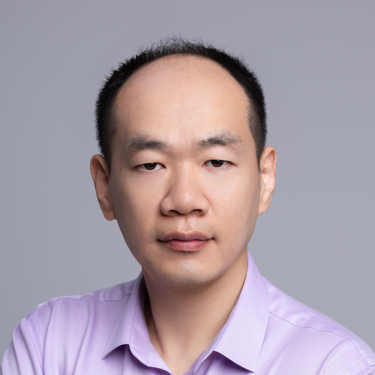
Prof. Dr. Hongbin Liu
Professor and Director, Centre for AI and Robotics, Hong Kong Institute of Science & Innovation, Chinese Academy of Science, China
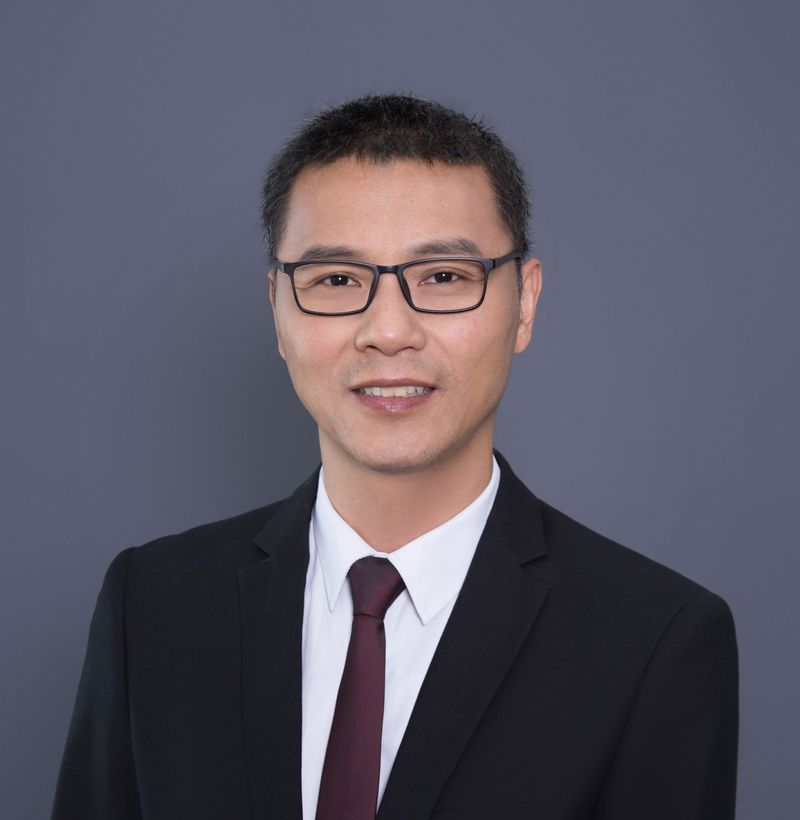
Prof. Dr. S. Kevin Zhou
Chair professor, and Executive Dean of the School of Biomedical Engineering, University of Science and Technology of China, Suzhou, China
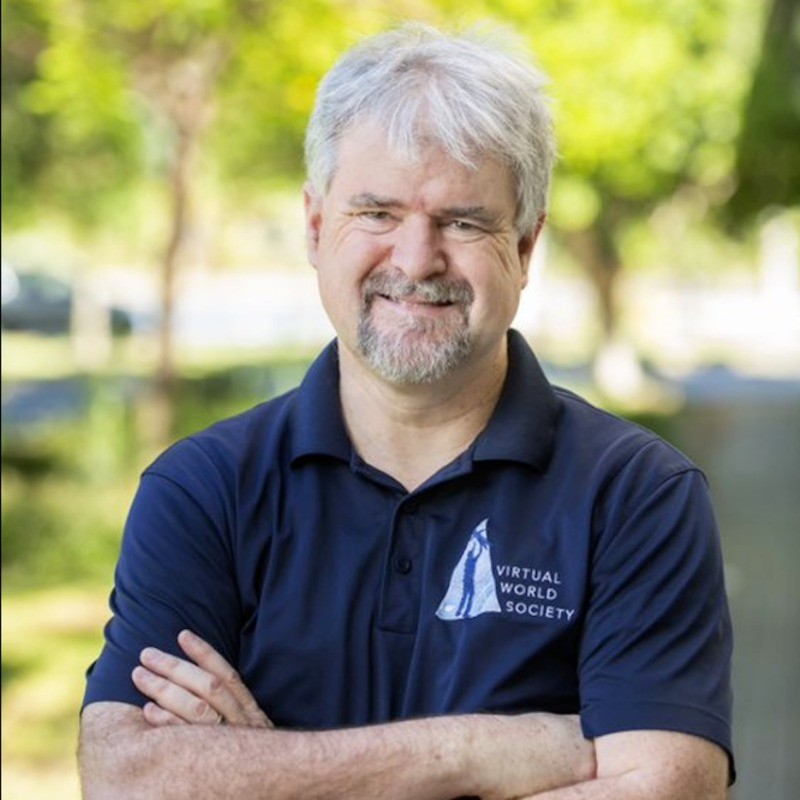
Prof. Dr. Mark Billinghurst
Chair professor at Adelaide University, and Director of the Australian Research Centre for Interactive and Virtual Environments
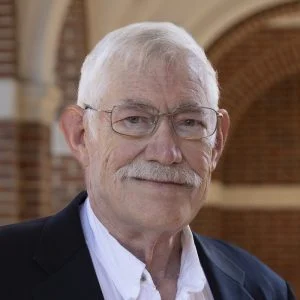
Prof. Dr. Russell Taylor
John C. Malone Professor in the Department of Computer Science at Johns Hopkins University, USA

Prof. Dr. Bradley Nelson
Full Professor, Multi-Scale Robotics Lab, Department of Mechanical and Process Engineering, ETH Zurich, Switzerland

Prof. Dr. Sebastien Ourselin
Head of School, School of Biomedical Engineering & Imaging Sciences, Kings College London, UK
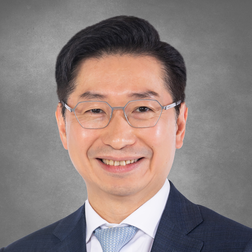
Prof. Dr. Wai Yan Philip Chiu
Dean of the Faculty of Medicine, Shun Hing Education and Charity Fund Professor of Robotic Surgery, Director of Multi-Scale Medical Robotics Center, Director of Endoscopy Center, The Chinese University of Hong Kong
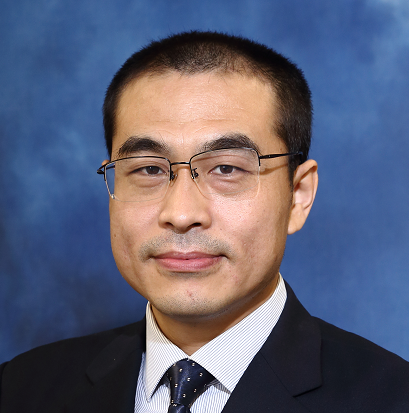
Prof. Dr. Hongliang Ren
Department of Electronic Engineering, The Chinese University of Hong Kong, China
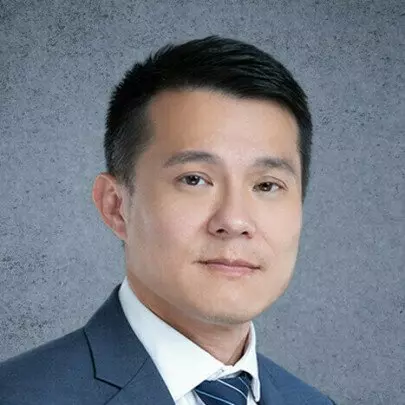
Prof. Dr. Kwok Wai Samuel Au
Department of Mechanical and Automation Engineering, The Chinese University of Hong Kong, China

Prof. Dr. Qi Dou
Department of Computer Science and Engineering, The Chinese University of Hong Kong, China
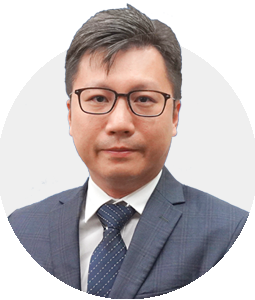
Prof. Dr. Kwok Ka Wai
Department of Mechanical and Automation Engineering, The Chinese University of Hong Kong, China
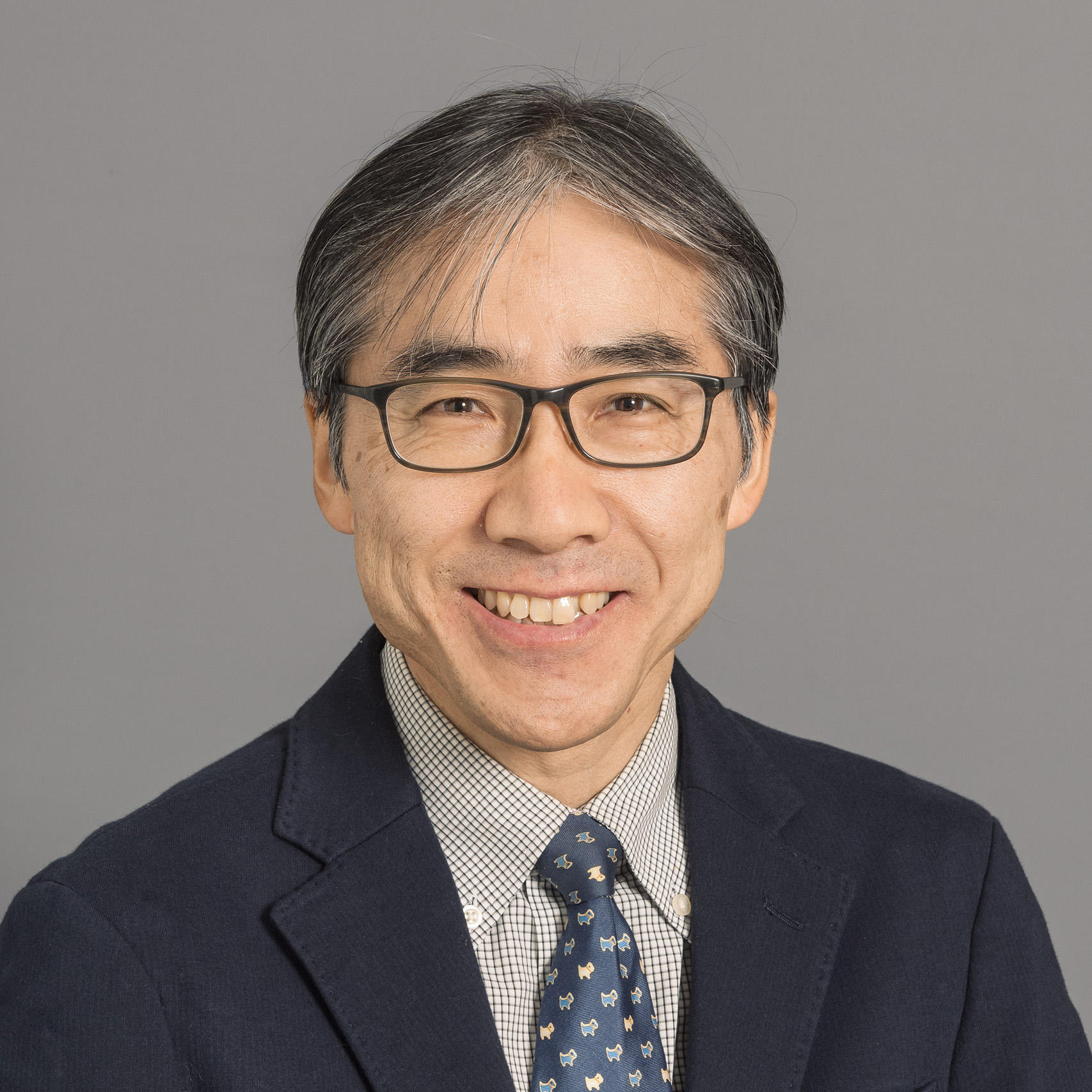
Prof. Dr. Hideo Saito
Department of Information and Computer Science, Keio University, Japan
Prof. Dr. Vincenzo Ferrari
Associate Professor of Biomedical Engineering at Dipartimento di Ingegneria dell'Informazione, Università di Pisa
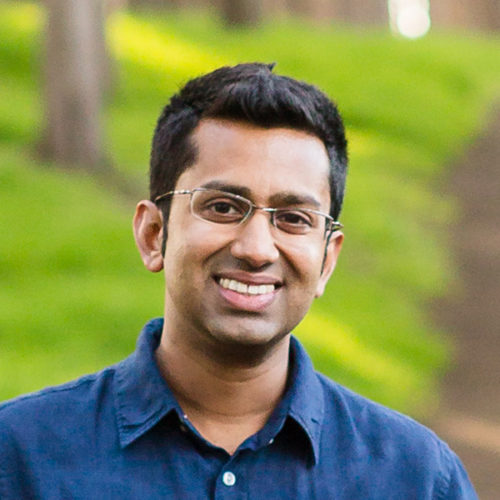
Siddarth Satish
Vice President, Digital Innovation for Surgical Technologies, Stryker
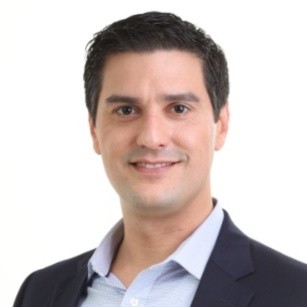
Nissan Elimelech
Serial entrepreneur, General Manager @ Snke XR
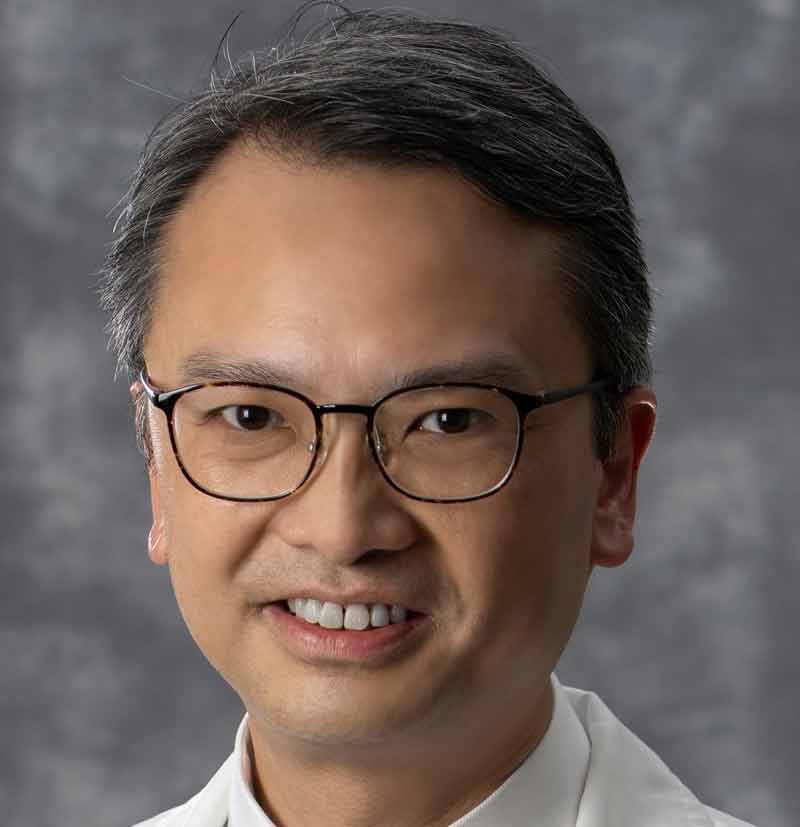
Prof. Dr. Tat Ming Danny Chan
Clinical Associate Professor (Honorary) & Head, Division of Neurosurgery, Department of Surgery, The Chinese University of Hong Kong. Co-Director, Otto Wong Brain Tumour Centre, CUHK

Paul Barach, B.Med.Sci, MD, MPH, Maj (Ret.), AUA
Professor, Anesthesiology/Surgery Critical Care Clinician-Scientist, Simulation, Chief Medical Officer, Strategy consultant, Disasters & Emergencies; Public Health Accreditation; Medical Device and AI start up advisor
Prof. Jason Chan Ying Kuen
Chairman, Department of Otorhinolaryngology, Head and Neck Surgery, The Chinese University of Hong Kong, China
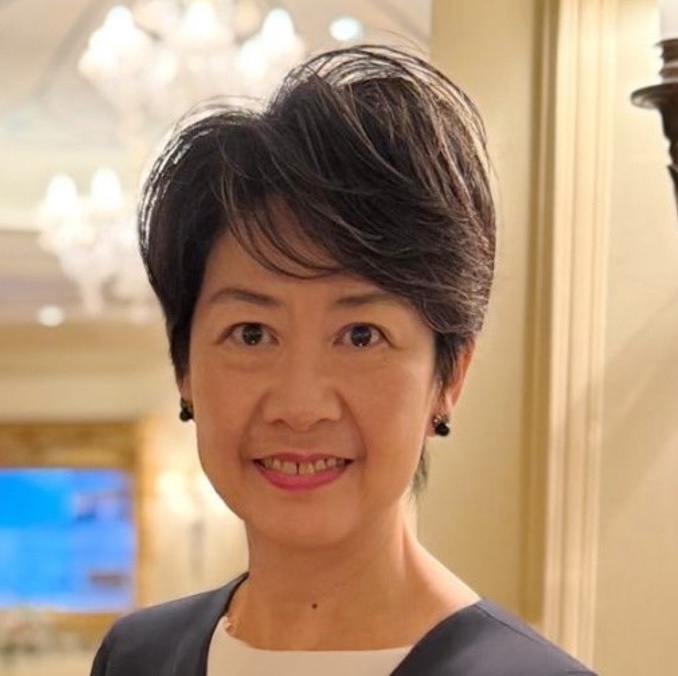
Ms. Eva Ma Wai-ling
Center Head, Community Rehabilitation Service Support Centre, Hong Kong Hospital Authority

Prof. Dirk Wilhelm, MD
Klinik und Poliklinik für Chirurgie, TUM Klinikum Rechts der Isar, Germany
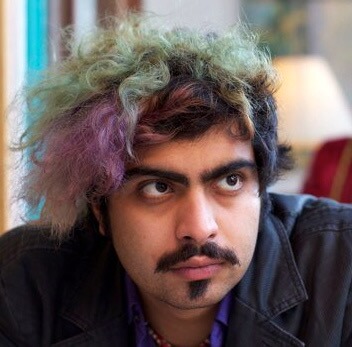
Navid Navab
Associate Director in Responsive Media, Topological Media Lab, Concordia University, Montréal, Canada
Schedule
First Week (April 20–25)
| Time | Monday | Tuesday | Wednesday | Thursday | Friday | Saturday |
|---|---|---|---|---|---|---|
| 08:30 | Opening Ceremony – Welcome Professors Navab, Liu & Jason Chan | |||||
| 09:00 | Keynote: Prof. Nassir Navab CAMP, TU Munich | Clinical Keynote: Prof. Danny Chan Division of Neurosurgery, The Chinese University of Hong Kong | Keynote: Prof. Samuel Au Department of Mechanical and Automation Engineering, The Chinese University of Hong Kong | Keynote: Prof. Russel Taylor Department of Computer Science, Johns Hopkins University | Visit to CAIR and MRC, Hong Kong Excursion to CAIR and MRC Research Centers, Hong Kong | |
| 09:30 | ||||||
| 10:00 | Keynote: Prof. Bradley Nelson Robotics and Intelligent Systems, ETH Zürich | Keynote Eva Ma Hong Kong Hospital Authority, Community Rehabilitation Service Support Centre | Keynote: Prof. Hideo Saito Department of Information and Computer Science, Keio University | Keynote: Prof. S. Kevin Zhou School of Biomedical Engineering, University of Science and Technology of China | Clinical Keynote: Prof. Jason Chan Ying Kuen Department of Otorhinolaryngology, The Chinese University of Hong Kong | |
| 10:30 | ||||||
| 11:00 | Coffee Break | Coffee Break | Coffee Break | Coffee Break | Coffee Break | |
| 11:30 | Keynote: Prof. Hongbin Liu CAIR, Hong Kong Institute of Science & Innovation, Chinese Academy of Sciences | Keynote: Navid Navab Topological Media Lab, Concordia University | Keynote: Prof. Sebastian Ourselin School of Biomedical Engineering & Imaging Sciences, Kings College London | Keynote: Nissan Elimelech (Snke XR) Serial entrepreneur, General Manager @ Snke XR | Clinical Talks | |
| 12:00 | ||||||
| 12:30 | Lunch Break | Lunch Break | Lunch Break | Lunch Break | Lunch Break | |
| 13:00 | ||||||
| 13:30 | ||||||
| 14:00 | Lecture: Medical augmented reality - definition, principle components, domain modeling, and design-development-validation process | Lecture: Sonification Surgical sonification and audio applications in Medical AR | Lecture: Registration Image registration methods in Medical AR | Lecture: Interaction User interaction in Medical AR systems | Keynote: Prof. Philip Chiu MRC, The Chinese University of Hong Kong | |
| 14:30 | ||||||
| 15:00 | Hackathon – Kickoff | Lecture Visualization | Lecture: Perceptual Visualisation | Hackathon | Clinical Talks | |
| 15:30 | ||||||
| 16:00 | Coffee Break | Coffee Break | Coffee Break | Coffee Break | Panel Discussion | |
| 16:30 | Hackathon | Hackathon | Hackathon | Hackathon | ||
| 17:00 | ||||||
| 17:30 | Keynote: Clinical Session & Game – Intro Prof. Barach Prof. Paul Barach, Patient Safety & Medical Education | |||||
| 18:00 | ||||||
| 18:30 | Dim Sum & Game Night | |||||
| 19:00 | Conference Dinner | |||||
| 19:30 | ||||||
| 20:00 | ||||||
| 20:30 | ||||||
| 21:00 | ||||||
| 21:30 |
Second Week (April 27–29)
| Time | Monday | Tuesday | Wednesday |
|---|---|---|---|
| 09:00 | Keynote: Prof. Vincenzo Ferrari Biomedical Engineering, Department of Information Engineering, University of Pisa | Clinical Keynote: Prof. Dirk Wilhelm Klinik und Poliklinik für Chirurgie, TUM Klinikum Rechts der Isar | Keynote: Prof. Hongliang Ren Department of Electronic Engineering, The Chinese University of Hong Kong |
| 09:30 | |||
| 10:00 | Clinical Keynote: Prof. Greg Osgood Orthopedic/Trauma Surgery, Johns Hopkins Hospital | Keynote: Prof. Ka-Wai Kwok Department of Mechanical and Automation Engineering, The Chinese University of Hong Kong | Keynote: Prof. Qi Dou Department of Computer Science and Engineering, The Chinese University of Hong Kong |
| 10:30 | |||
| 11:00 | Coffee Break | Coffee Break | Coffee Break |
| 11:30 | Hackathon | Keynote: Prof. Mark Billinghurst College of Engineering and Information Technology, University of South Australia | Demo Day – Session 1 |
| 12:00 | |||
| 12:30 | Lunch Break | Lunch Break | Lunch Break |
| 13:00 | |||
| 13:30 | |||
| 14:00 | Hackathon | Hackathon | Demo Day – Session 2 |
| 14:30 | |||
| 15:00 | |||
| 15:30 | |||
| 16:00 | Demo Day – Session 3 | ||
| 16:30 | |||
| 17:00 | |||
| 17:30 | |||
| 18:00 | Closing Ceremony Award ceremony and closing of MARSS 2026 | ||
| 18:30 | |||
| 19:00 |
Hosting Institution
Established in 2019, the Centre for Artificial Intelligence and Robotics (CAIR) is one of the two centres under Hong Kong Institute of Science & Innovation (the only directly affiliated research institute of Chinese Academy of Sciences in Hong Kong). CAIR is dedicated to integration and innovation of artificial intelligence and life sciences, conducting research in three main areas: Multimodal AI Large Model, Embodied Intelligent Robots, and Intelligent Sensing Technologies. CAIR is a key institution supported by Hong Kong’s InnoHK initiative in the field of AI. It is among the few institutions globally that systematically carry out research and development of AI systems for medical and healthcare applications, as well as their technological transformation.
Local Organizing Committee
- Dr. Jun Xu, Centre for Artificial Intelligence & Robotics, HK Institute of Science & Innovation, CAS
- Dr. Sheema Kooshapur, Chair for Computer Aided Medical Procedures & Augmented Reality, Technical University of Munich
- Dr. Han Li, Chair for Computer Aided Medical Procedures & Augmented Reality, Technical University of Munich
- Dr. Ulrich Eck, Chair for Computer Aided Medical Procedures & Augmented Reality, Technical University of Munich
- Dr. Jinlin Wu, Centre for Artificial Intelligence & Robotics, HK Institute of Science & Innovation, CAS
Impressions from MARSS2023
Co-Organizers

Industry Partners